
Yoga Nidra: An Introduction to Yogic Sleep
Yoga Nidra—often referred to as yogic sleep—is a deeply restorative practice that guides the body into profound relaxation while the mind remains gently aware. In as little as 20 minutes, Yoga Nidra can offer benefits comparable to several hours of restful sleep, making it a powerful tool for modern life.
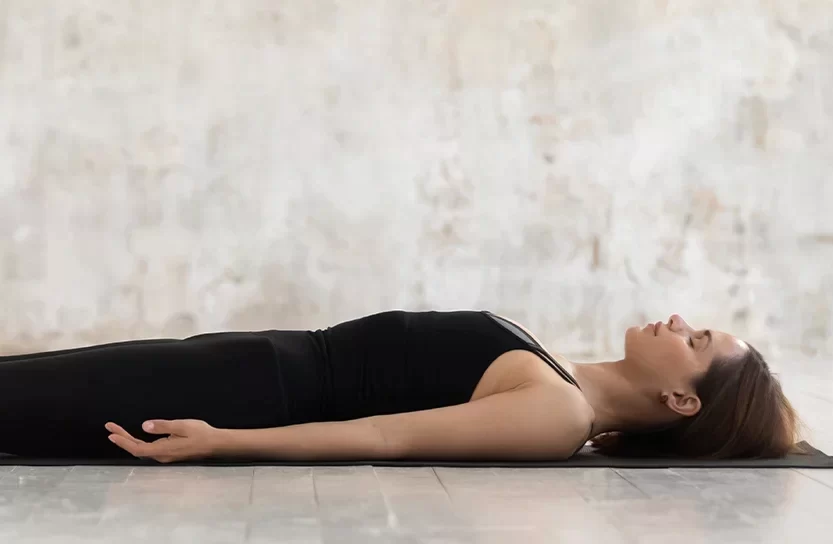
Rooted in ancient tantric and yogic traditions, Yoga Nidra is practiced lying down in Savasana (corpse pose). Through guided awareness, breath observation, and mental imagery, the nervous system is encouraged to shift out of stress mode and into a state of deep healing and renewal.
One of the most beautiful aspects of Yoga Nidra is its simplicity. It can be practiced in a studio or comfortably at home with just a yoga mat, a blanket, and pillows to support the head, neck, or knees. No prior meditation or yoga experience is required—only a willingness to rest and receive.
Whether you are feeling mentally overwhelmed, emotionally drained, or physically exhausted, Yoga Nidra offers a gentle yet profound reset. It is often described as a conscious form of rest—one that nourishes the body, calms the mind, and supports emotional balance.
The 10 Core Steps of a Yoga Nidra Practice
While each guided session may vary slightly, a traditional Yoga Nidra practice often follows these foundational steps:
-
Connect to Your Desire (Sankalpa)
Gently bring awareness to a heartfelt wish, intention, or inner calling that feels meaningful to you. -
Set an Intention
Clarify why you are practicing—whether for rest, healing, clarity, or emotional grounding. -
Find Your Inner Resource
Connect with a sense of safety, peace, or comfort within yourself—a place you can return to at any time. -
Body Scan Awareness
Systematically bring attention to different parts of the body, releasing tension and inviting relaxation. -
Breath Awareness
Observe the natural rhythm of your breath without changing it, allowing it to anchor you in the present moment. -
Welcome Feelings and Sensations
Allow emotions or physical sensations to arise and pass without resistance or judgment. -
Witness Thoughts
Observe thoughts as they come and go, cultivating awareness without attachment. -
Experience Positive Sensations
Invite feelings of warmth, joy, ease, or lightness to gently arise. -
Observe the Sense of Self
Rest in awareness of who you are beyond thoughts, roles, or labels—simply observing being. -
Reflect and Reawaken
Gradually return awareness to the body and environment, reflecting on the experience before transitioning back into daily life.
A Practice of Deep Self-Care
Yoga Nidra is more than relaxation—it is a form of intentional self-care that supports stress reduction, nervous system regulation, mental clarity, emotional healing, and improved sleep quality. It is especially beneficial during periods of burnout, anxiety, or life transitions.
By dedicating just 20 minutes to Yoga Nidra, you offer yourself permission to slow down, reset, and reconnect. Over time, this practice can help cultivate resilience, inner peace, and a deeper sense of well-being.
Gentle, accessible, and profoundly healing, Yoga Nidra is an invitation to rest deeply—without effort—and return to your life feeling refreshed, grounded, and renewed.