Summer is here, time to Hydrate
As the seasons shift and temperatures begin to rise, hydration becomes more important than ever. In today’s fast-paced world, chronic low-grade dehydration is surprisingly common. Busy schedules, increased caffeine intake, travel, certain health conditions, and inconsistent access to clean, high-quality water all contribute to the problem. Research shows that many people do not meet their daily fluid needs, even in cooler months—making spring an ideal time to reset hydration habits (Mayo Clinic). Some people do not realize when it is very humid our body's cooling system (sweating) is less effective at cooling off. A cool shower (not hot) helps.
Why Hydration Is Essential
Water makes up more than half of the human body and is involved in nearly every physiological process, including nutrient transport, waste removal, temperature regulation, circulation, and joint lubrication (National Institutes of Health). When hydration is inadequate for extended periods, the body may adapt by dulling thirst signals—meaning you may not feel thirsty even when fluid levels are low.
Over time, insufficient hydration can contribute to fatigue, reduced physical endurance, impaired concentration, headaches, digestive discomfort, and increased inflammation (Mayo Clinic).
What Happens When You Don’t Get Enough Water
The effects of dehydration are often compared to running a car without enough oil—the system overheats and wears down faster. In the short term, dehydration may cause dizziness, headaches, muscle cramps, constipation, or low energy. Long term, it can interfere with cellular function, physical performance, and cognitive clarity (NIH).
Recognizing Chronic Dehydration
Thirst and dry mouth are not always reliable indicators. One of the most practical signs is urine color—dark yellow suggests dehydration, while pale yellow or nearly clear urine generally indicates adequate hydration (Mayo Clinic). Other subtle signs may include muscle tightness, lightheadedness, or frequent fatigue.
Choosing Quality Hydration
While bottled water is widely available, not all bottled water is equal. Some products are simply repackaged tap water. Naturally sourced spring or mineral waters may contain trace minerals that support fluid balance. Home filtration systems can improve water quality, though certain methods may remove beneficial minerals unless they are reintroduced.
How Much Water Do You Really Need?
The common “eight glasses a day” guideline is a general estimate. Actual needs vary based on body size, activity level, climate, diet, and health status. A more effective approach is drinking consistently throughout the day and adjusting intake based on physical cues and urine color (NIH).
Simple Ways to Boost Hydration
-
Keep water accessible and sip regularly
-
Replenish electrolytes after exercise with foods like leafy greens, bananas, yogurt, and bone broth
-
Include water-rich foods such as cucumbers, lettuce, tomatoes, citrus, and watermelon
-
Limit dehydrating substances like excessive caffeine and alcohol
Refreshing Hydration Ideas
-
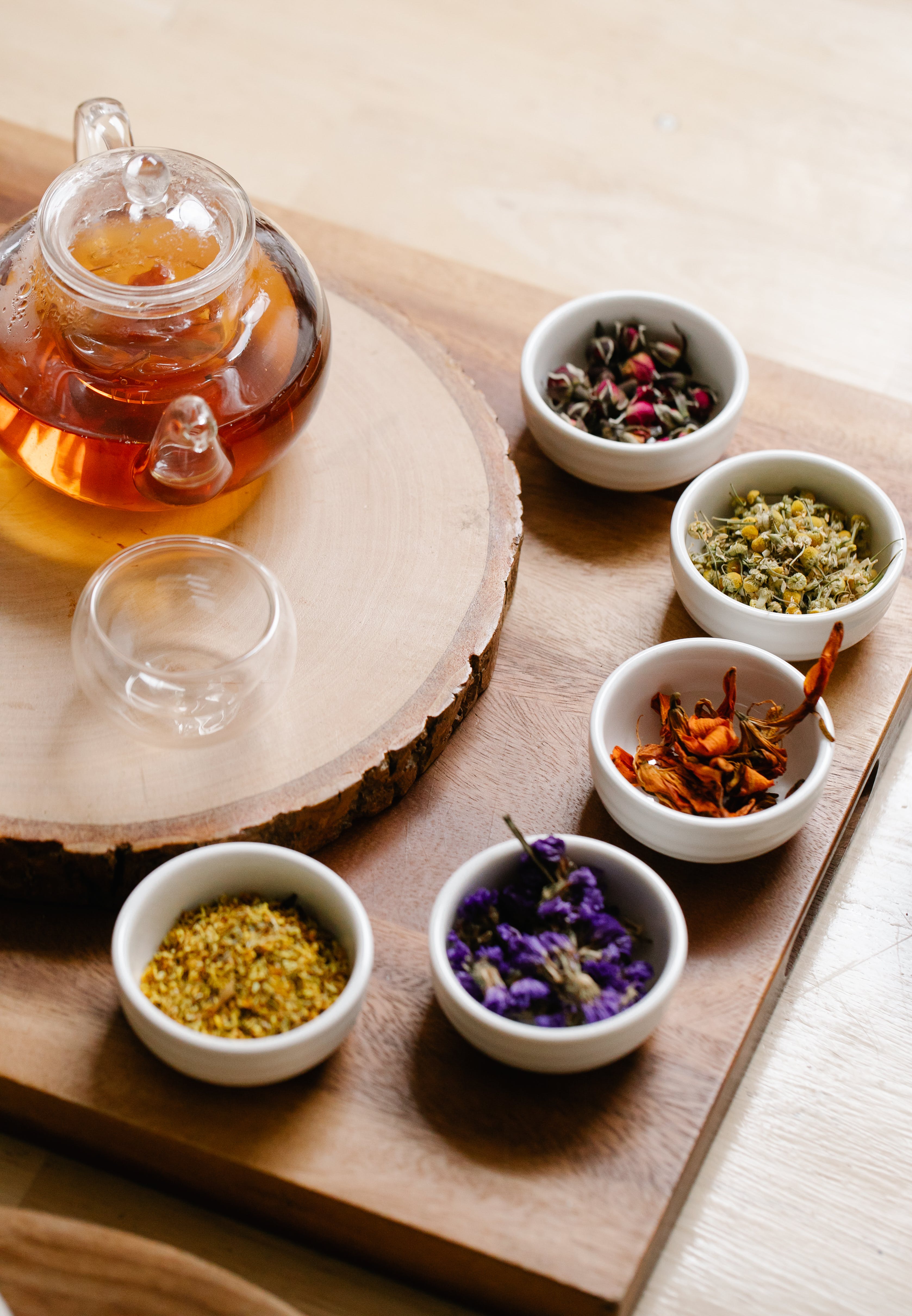
Homemade Iced Tea: Brew herbal or green tea and add citrus or fresh herbs
-
Peppermint Iced Tea: Naturally cooling and digestion-friendly
-
Fresh Juice: Orange, grapefruit, or watermelon juice in moderation
-
Coconut Water: A natural source of potassium and electrolytes
-
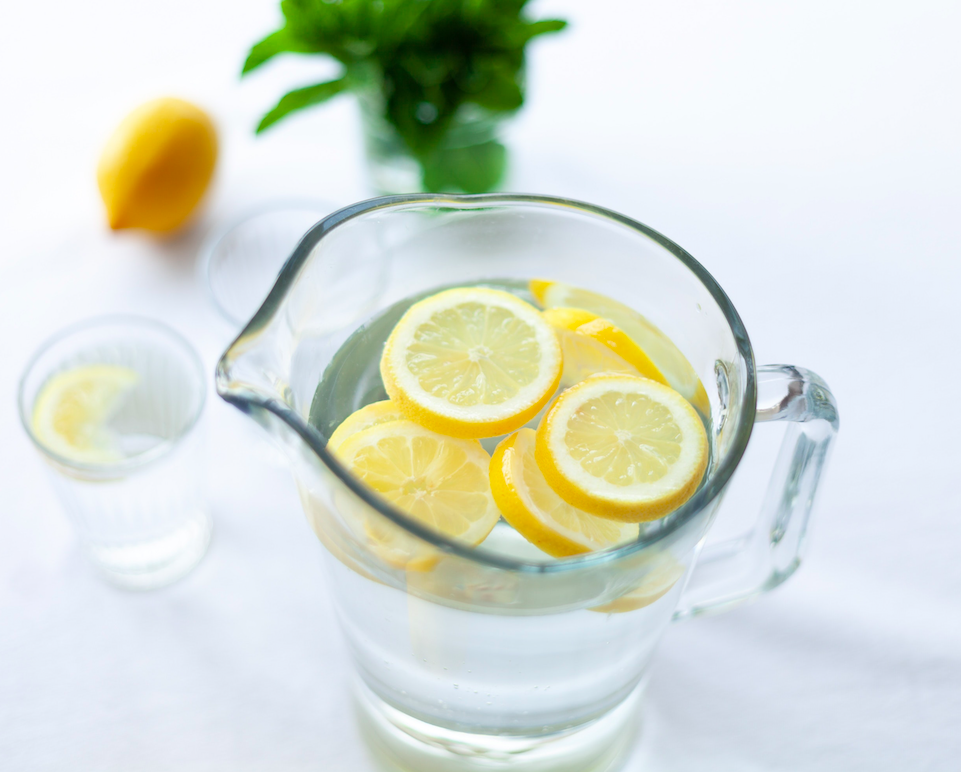
Fruit- and Herb-Infused Water: Lemon, mint, berries, cucumber
A Simple Act of Seasonal Self-Care
Hydration is one of the most accessible foundations of wellness. By choosing quality fluids, incorporating hydrating foods, and responding early to your body’s signals, you support energy, clarity, and resilience as the seasons change.
Spring is a time of renewal—let hydration be one of the simplest ways you refresh your body and mind.