Natural Remedies Used During The 1800s
A Look at Healing Practices from the Civil War Era
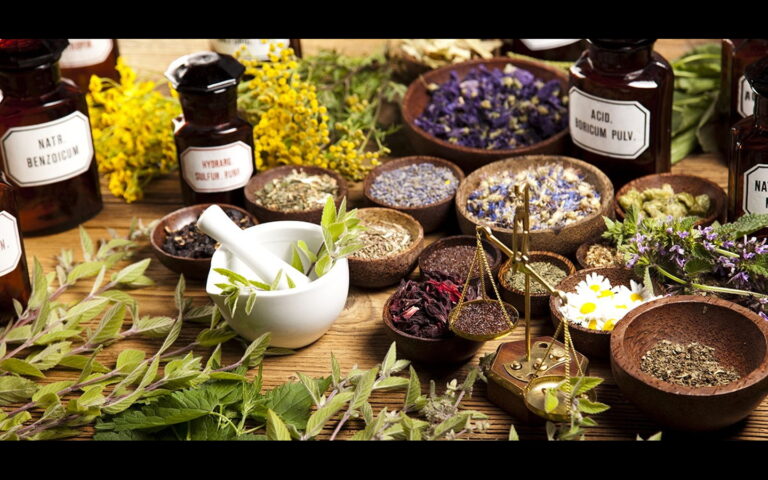
Long before modern pharmaceuticals and clinical medicine, healing was rooted in the wisdom of nature. During the 1800s—particularly throughout the Civil War era—people relied heavily on plants, herbs, and traditional knowledge to support physical, emotional, and overall well-being.
Life during this time was marked by hardship, injury, limited sanitation, and widespread illness. Without access to antibiotics or advanced pain relief, soldiers and civilians alike turned to the earth’s natural remedies, many of which laid the foundation for modern herbal medicine still used today.
Below are some of the most notable natural remedies used during the 1800s and the powerful roles they played in healing.
🌿 Willow Bark for Pain Relief
Often referred to as “nature’s aspirin,” willow bark was commonly used to relieve pain and reduce fever. It contains salicin, a compound that inspired the development of modern aspirin. Soldiers would chew the bark or brew it into teas to ease headaches, muscle pain, and inflammation.
🌿 Slippery Elm for Digestive Health
Poor sanitation and contaminated food often led to digestive distress. Slippery elm, made from the inner bark of the tree, was prepared as a soothing drink to calm conditions such as diarrhea, heartburn, and gastritis. Its gentle, mucilage-rich texture coated and protected the digestive tract.
🌿 Echinacea for Immune Support
Used for centuries by Native American tribes, echinacea became widely recognized during the 1800s for its immune-supporting properties. Taken as teas or tinctures, it helped the body resist infections, colds, and flu—vital in an era when disease spread rapidly.
🌿 Calendula for Wound Healing
Calendula, also known as marigold, was a staple for skin and wound care. Salves made from the flower were applied to cuts, burns, and sores to reduce inflammation, prevent infection, and support faster healing—an essential remedy before antiseptics existed.
🌿 Devil’s Walking Stick for Pain and Infection
This lesser-known plant was valued for its medicinal berries and bark. Prepared as a tincture, it was used to relieve arthritis pain, toothaches, and inflammation. Historically, it was also believed to help combat infections, including bacterial conditions.
🌿 Sage for Sore Throats and Oral Health
Sage was widely used for throat discomfort and oral inflammation. A simple infusion of dried sage leaves served as a mouth rinse or gargle, helping soothe sore throats, reduce swelling, and support respiratory comfort.
🌿 Ginger for Nausea and Digestive Balance
Ginger was a trusted remedy for nausea, motion sickness, and digestive upset—especially during long journeys and military marches. It was consumed as tea or chewed raw to calm the stomach and restore balance.
🌿 Mustard Plasters for Congestion
Mustard plasters were a common external remedy for chest congestion and respiratory discomfort. Made by mixing mustard powder with flour and water, the paste was applied to the chest to stimulate circulation and loosen mucus.
🌿 Cabbage Leaves for Joint Pain
Cabbage was valued for its natural anti-inflammatory properties. Leaves were wrapped around swollen or painful joints to ease arthritis discomfort—a practice that still appears in traditional home remedies today.
🌿 Witch Hazel for Skin Irritations
Witch hazel was widely used as a topical treatment for skin conditions. Known for its astringent and anti-inflammatory qualities, it helped soothe itching, minor wounds, bruises, and irritation.
🌱 Honoring Ancient Wisdom
These natural remedies from the 1800s reflect a time when healing was deeply connected to the natural world. They demonstrate resilience, intuition, and respect for the earth—principles that remain central to holistic healing today.
As modern wellness continues to circle back to plant-based and natural approaches, these time-honored remedies remind us that true healing often begins with nature, balance, and mindful care of the body, mind, and spirit.